 how-to
Human Oversight in AI Security Systems: A Practical Guide
Last Updated: October 22, 2026
Quick Summary
Human oversight in AI security systems is the practice of having trained personnel actively monitor, review, and intervene in automated security decisions made by artificial intelligence. It combines machine speed with human judgment to detect threats accurately while ensuring accountability and context-aware decision-making.
- AI systems process thousands of events per second while humans make final decisions on escalation and response.
- False positives from unreviewed alerts cause teams to ignore notifications, losing both automation and human judgment.
- Intervention thresholds should categorize alerts by confidence score: 90%+ investigate immediately, 70-89% review context, below 70% log and monitor.
- Alert fatigue degrades operator attention, so rotate monitoring responsibilities every 2-3 hours and suppress low-confidence false positives.
- Audit your system over 30 days by tracking total alerts, false positives, false negatives, and whether teams followed established intervention processes.
Table of Contents
- What Human Oversight in AI Security Systems Really Means
- Why Human Oversight Matters for AI Security
- AI in Physical Security: The Role of Human Judgment
- The AI Security Alert Review Process: When and How to Intervene
- AI Surveillance Best Practices for Human-in-the-Loop Operations
- Conducting an AI Security System Audit to Verify Oversight Effectiveness
- Preventing Alert Fatigue and Maintaining Human Judgment at Scale
- Frequently Asked Questions
What Human Oversight in AI Security Systems Really Means
Human oversight in AI security systems is the practice of having trained personnel actively monitor, review, and intervene in automated security decisions made by artificial intelligence. It's not about replacing human judgment with machines, it's about combining machine speed with human wisdom.
The most effective security operations don't choose between automation and human review. They layer them together. AI systems process thousands of events per second and flag anomalies that would take human analysts hours to spot manually. But the final decision on whether to escalate, investigate, or respond still rests with a person who understands context, threat patterns, and the specific needs of your property.
Think of it this way: your AI system is a tireless spotter. Your security team is the decision-maker. The spotter catches everything. The decision-maker ensures nothing gets escalated without reason.
This distinction matters because it changes how you design your entire security operation. You're not building a fully autonomous system that acts on its own. You're building a human-machine interface where the machine does the heavy lifting on detection and the human does the critical thinking on response.
Why Human Oversight Matters for AI Security
Automated security systems fail in predictable ways when they operate without human judgment. They trigger false positives that exhaust your team. They miss context that a human operator would catch instantly. They escalate threats inconsistently because they can't weigh competing priorities the way a trained person can.
The false positive problem is real. Motion sensors that trigger on wind-blown leaves. Access control systems that flag authorized personnel as anomalies. Video analytics that alert on shadows or weather changes. Without human review, these false alarms compound. Your security team stops trusting the system.
Human oversight also protects against unintended consequences. An AI model trained on historical data might learn patterns that reflect past biases rather than actual threats. A human reviewer catches those patterns and corrects them.
Beyond detection accuracy, human oversight ensures accountability. When something goes wrong, when a threat is missed or a response causes harm, you need a documented decision trail showing that a person reviewed the situation and made a deliberate choice.
NIST Cybersecurity Framework guidance on human roles in AI systems emphasizes that responsible AI requires human judgment at critical decision points. This isn't a limitation of AI, it's a design requirement for systems that protect people and assets.
AI in Physical Security: The Role of Human Judgment
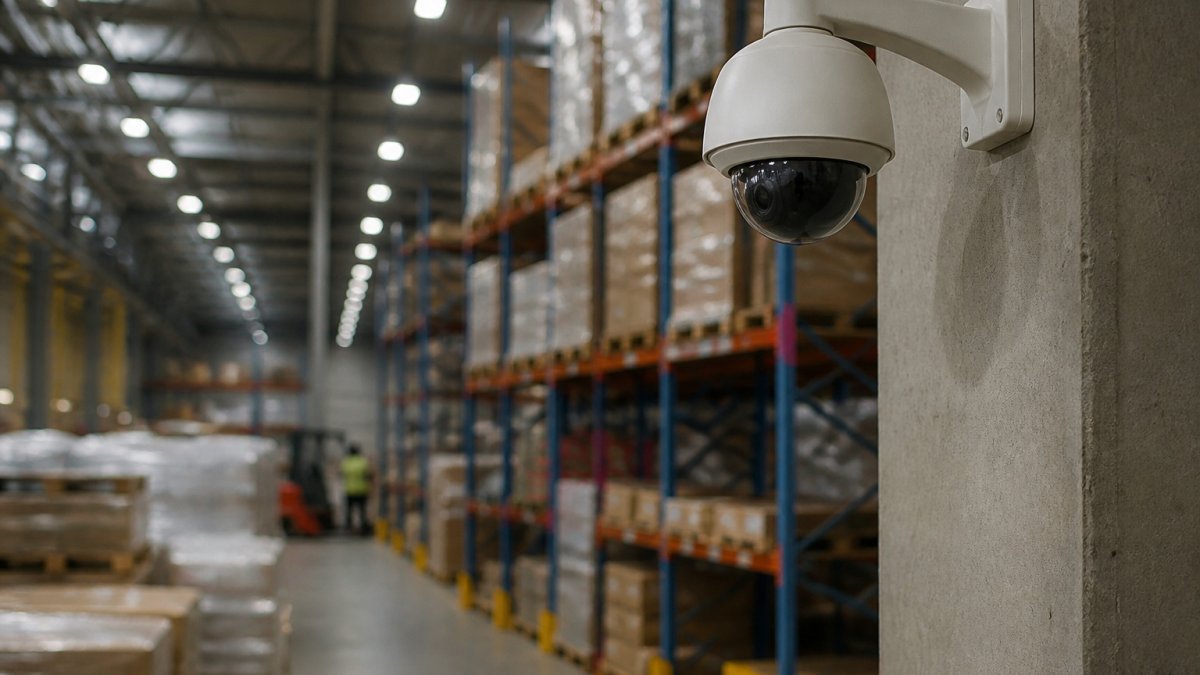
Physical security is where human oversight in AI security systems becomes essential because the stakes are immediate and visible. A camera system can detect an unauthorized person in a restricted area in milliseconds.
Your AI system sees the anomaly. Your security professional sees the situation.
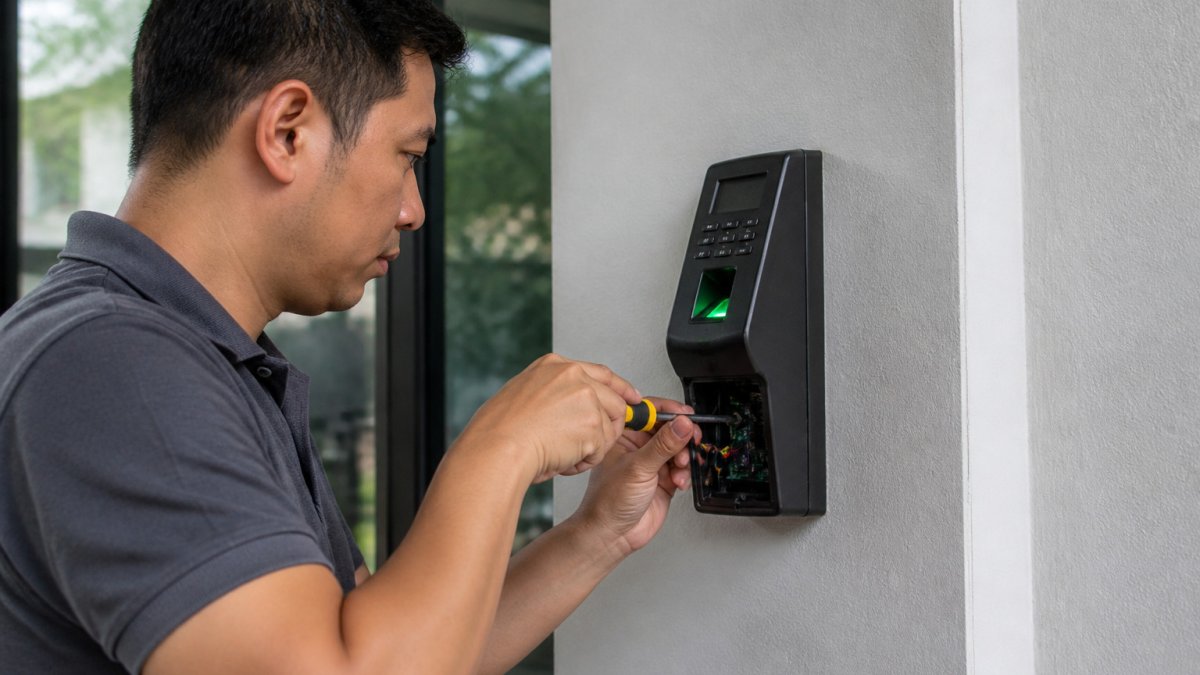
Consider a common scenario: an access control system flags someone entering a server room at 2 AM. The AI detects this as an anomaly because server room access is typically restricted to specific hours and specific personnel. But the context matters.
An automated system has two choices: lock the door (which might block legitimate access) or do nothing (which leaves the threat unaddressed). A human operator with real-time visibility can verify the person's identity, check the maintenance schedule, and make a decision in seconds.
This is where AI in physical security shows its real value. The system doesn't replace the operator, it makes the operator dramatically more effective.
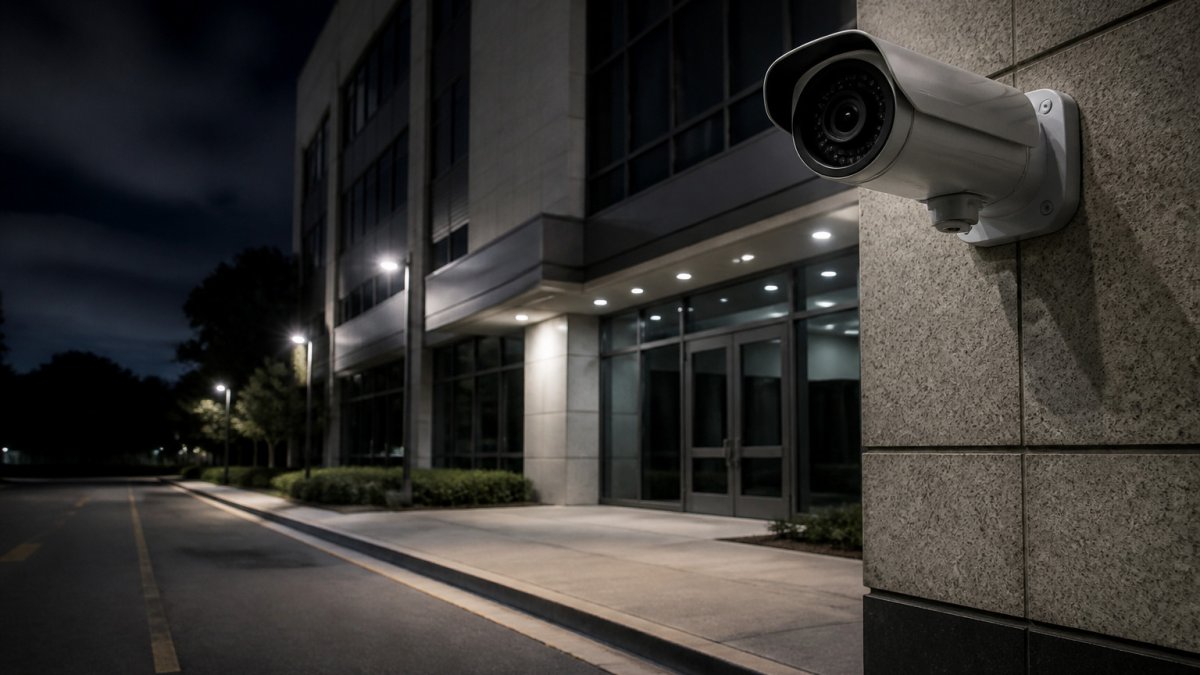
The same principle applies to perimeter defense. Motion sensors and thermal imaging detect movement. AI analyzes the pattern and speed of movement to distinguish between an animal, a person walking normally, and someone moving with urgency or stealth.
The AI Security Alert Review Process: When and How to Intervene
The alert review process is where human oversight in AI security systems translates into actual decisions. This is the workflow that separates effective security operations from those that generate noise.
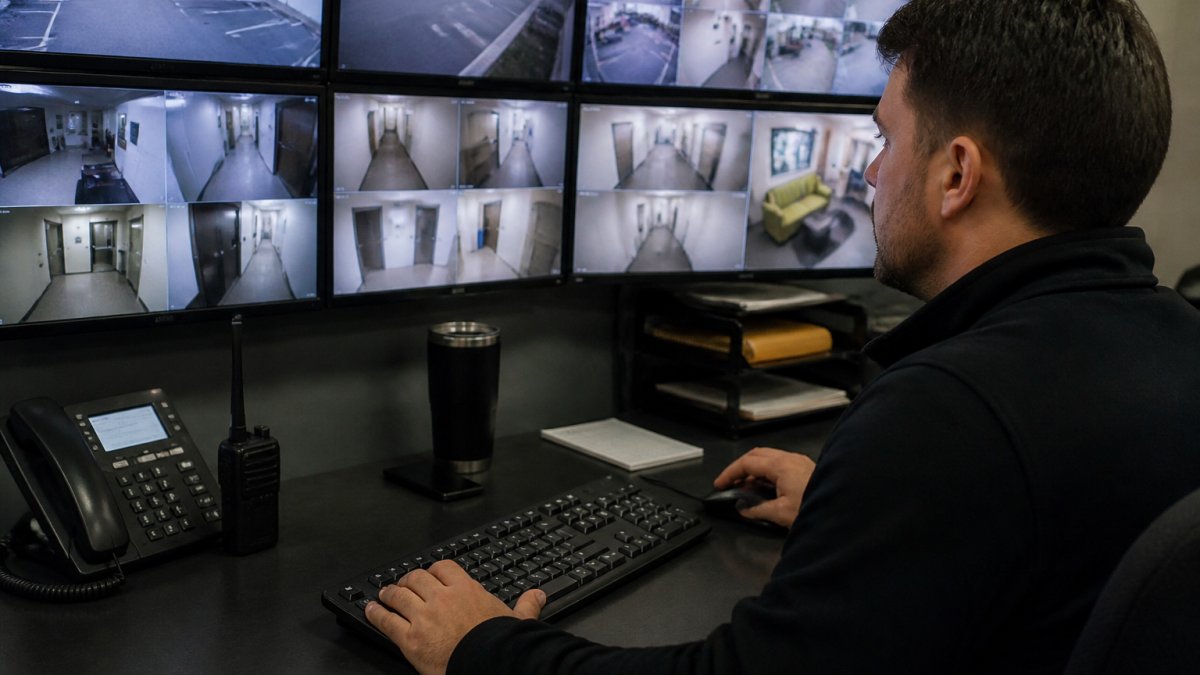
Start by defining your intervention thresholds before the system goes live. These are the decision rules that tell your team when to act:
- High-confidence alerts (AI confidence score 90%+): Investigate immediately. These are anomalies the system has learned to flag with very few false positives.
- Medium-confidence alerts (70-89%): Review context before escalating. Check the timestamp, location, and personnel involved. Verify against your access logs.
- Low-confidence alerts (below 70%): Log and monitor. Don't escalate unless the same pattern repeats or additional context emerges.
This tiered approach prevents alert fatigue while ensuring you don't miss genuine threats. Your team knows exactly when to act instead of making judgment calls on every notification.
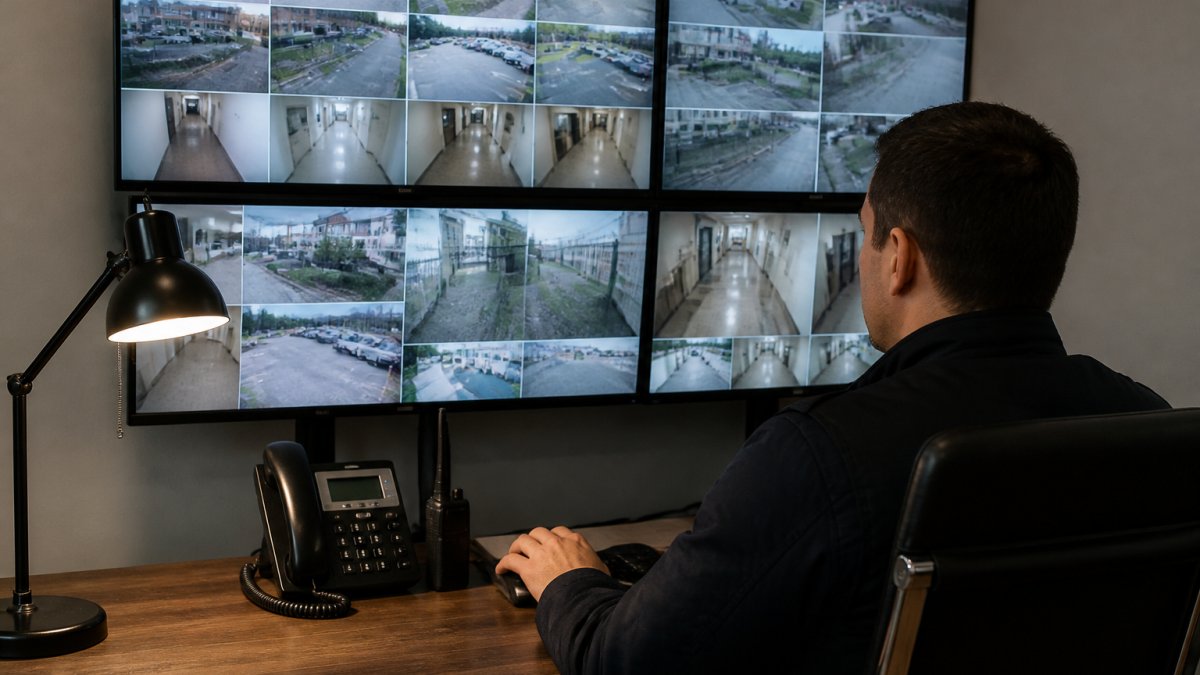
The review process itself should take seconds, not minutes. Your operators need real-time context at their fingertips: who has access to this area, what activity is normal for this time and location, what similar events happened in the past week.
Document every decision. When an operator reviews an alert and decides to escalate, dismiss, or investigate further, that decision should be logged with a timestamp and reason. This creates an audit trail that proves human judgment was applied. Over time, these logs become your training data for improving the system.
AI Surveillance Best Practices for Human-in-the-Loop Operations
Effective AI surveillance best practices start with the recognition that your AI system is a tool for your team, not a replacement for them. The system should be designed to support human decision-making, not to operate independently.
First, make sure your surveillance system provides context, not just alerts. When the AI flags an event, your operators should see:
- Video footage from multiple angles
- Historical context (similar events from the past 30 days)
- Metadata (time, location, confidence score, what triggered the alert)
- Personnel information (who has authorized access to this area)
Without this context, your team is making decisions blind. With it, they're informed operators making deliberate choices.
Second, build feedback loops into your system. When an operator reviews an alert and determines it's a false positive, that feedback should improve the AI model. If the system repeatedly flags the same legitimate activity, retrain it. If operators consistently escalate a certain type of alert, adjust the confidence threshold for that alert type.
Third, rotate your monitoring team. Alert fatigue is real. Operators who review alerts for 8 hours straight stop noticing patterns. Shift rotations, breaks, and task variety keep your team sharp. This is especially important for security operations where a missed alert could have serious consequences.
Finally, test your system regularly. Run tabletop exercises where you simulate alerts and ask your team how they would respond. These drills reveal gaps in your process and keep your operators practiced for actual incidents.
Conducting an AI Security System Audit to Verify Oversight Effectiveness
An AI security system audit measures whether your human oversight is actually working. It's the difference between having a process and having an effective process.
Start by measuring alert accuracy. Over a 30-day period, track:
- Total alerts generated
- Alerts that led to investigation
- Alerts that revealed actual anomalies
- False positives (alerts that triggered on normal activity)
- False negatives (actual anomalies the system missed)
Calculate your false positive rate. If 80% of your alerts are false positives, your system is creating noise, not insight. Your team will stop trusting it. If your false negative rate is high, the system is missing threats.
Next, audit your intervention decisions. Pull a random sample of 50 alerts from the past month and review how your team handled each one:
- Did they follow the intervention thresholds you established?
- Did they document their decision?
- Did they have adequate context to make an informed choice?
- Did they respond appropriately to the alert type?
This reveals whether your process is being followed consistently or whether individual operators are making ad-hoc decisions.
Measure response latency. How long does it take from alert generation to human review? From review to decision? From decision to action? Slow response times defeat the purpose of automation. Fast response times without adequate review introduce risk.
Finally, conduct a compliance review. If your organization is subject to healthcare, financial, or manufacturing regulations, your audit should verify that your human oversight in AI security systems meets those requirements. Documentation matters. Audit trails matter. The ability to demonstrate that a human reviewed and approved every security decision matters.
Preventing Alert Fatigue and Maintaining Human Judgment at Scale
Alert fatigue is the enemy of effective security. When your team receives hundreds of notifications per shift, they stop reading them carefully. They start dismissing alerts without investigation.
Preventing alert fatigue requires discipline in how you configure your system. Start conservatively. Set your alert thresholds high initially. Generate fewer alerts with higher confidence scores.
Use alert suppression intelligently. If a particular sensor is generating false positives (motion detection triggered by HVAC vents, for example), suppress that sensor's low-confidence alerts during times when those false positives are most likely.
Segment your alerts by severity and route them accordingly. Critical alerts (potential intrusions, unauthorized access to restricted areas) go directly to your senior operators.
Rotate alert monitoring responsibilities. Don't have the same person reviewing alerts for 8 hours straight. Attention degrades. Mistakes increase.
Most importantly, listen to your team. If operators consistently tell you that a particular alert type is noise, investigate. They're the experts on what's actually useful.
Human oversight in AI security systems isn't a limitation you tolerate while you wait for fully autonomous systems. It's the foundation of effective security. Your AI system handles detection.
Mt. Our team works with you to define intervention thresholds, establish review processes, and train your operators to make confident decisions backed by real-time context. SANS Institute guidelines on security operations center best practices supports this approach, emphasizing that effective security operations require both automation and human expertise working in concert.
If you're managing multiple security systems across your facility and want to consolidate them into one platform with clear human oversight built in, we can help.
Human judgment isn't going away from security. It's becoming more valuable. Let's make sure yours is supported by the right tools.
Frequently Asked Questions
What does human oversight in AI security systems mean?
Human oversight means people actively monitor, review, and validate decisions made by AI systems before or after they are executed. In security, this includes reviewing alerts generated by AI surveillance, approving access control decisions, and intervening when the system behavior seems incorrect. It ensures AI operates within acceptable risk boundaries and catches errors before they cause harm.
When should a security team review an AI-generated alert?
High-risk alerts, those involving potential intrusions, unauthorized access, or threats to people, should be reviewed immediately by a human before action is taken. Lower-risk alerts, such as minor motion in monitored zones, may be logged for audit purposes but do not require immediate review. Your team should define intervention thresholds based on your facility's risk profile and establish clear escalation criteria for each alert type.
How can we reduce false alarms from AI surveillance systems?
False alarms often stem from poor tuning or inadequate human oversight. Reduce them by training your AI system on your specific environment, adjusting sensitivity settings based on facility layouts, and having security staff regularly review and classify alerts to improve the model. Human feedback teaches the system to distinguish between genuine threats and benign events like shadows or animals, lowering alert fatigue over time.
What should an AI security oversight policy include?
A strong oversight policy defines who reviews alerts, when intervention is required, escalation procedures, documentation standards, and audit trails. It should specify automation thresholds, what actions the system can take without human approval, and what requires human judgment. Include processes for handling system failures, procedures for overriding AI decisions, and regular audits to verify the system operates as intended and complies with your security and compliance requirements.