 ultimate-guide
Benefits of AI Surveillance Systems for Modern Security
Table of Contents
- How AI Surveillance Systems Transform Security Operations
- False Alarm Reduction in Security: How AI Cuts Noise and Restores Trust
- AI Intrusion Detection Technology: Real-Time Threat Detection and Response
- Smart Access Control Systems: Integrating AI with Physical Security
- Integration with Legacy Hardware and Total Cost of Ownership
- Frequently Asked Questions
Last Updated: September 16, 2026
How AI Surveillance Systems Transform Security Operations
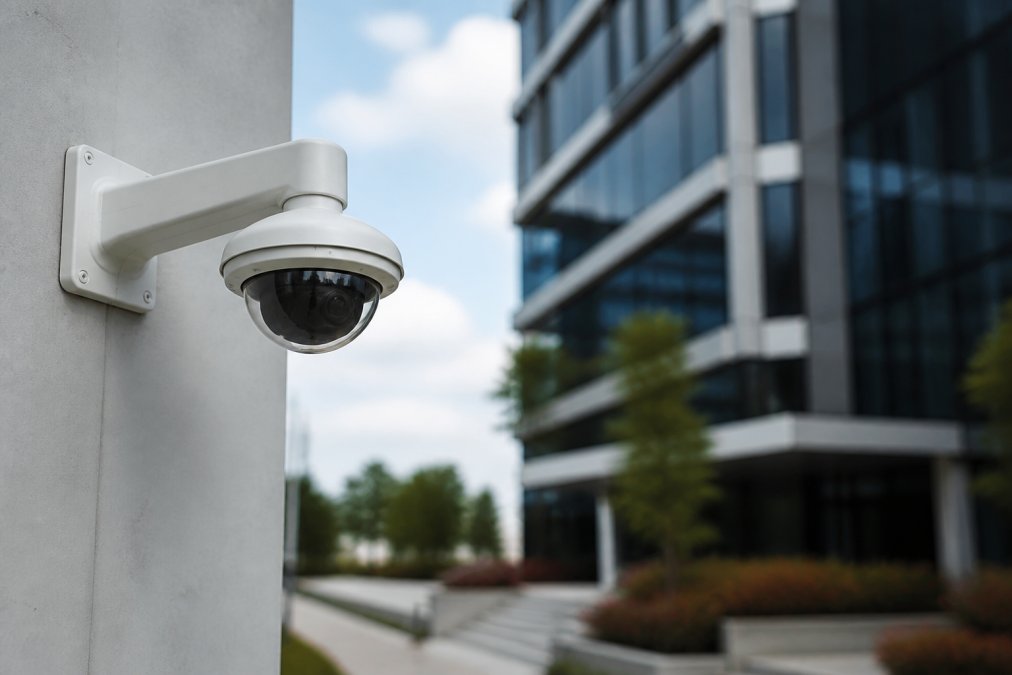
The benefits of AI surveillance systems start with a simple shift: cameras stop being passive recorders and become active decision-makers. At Mt. Major Tech, we install and maintain these systems across Northern New England. AI surveillance is the use of computer vision and deep learning algorithms to analyze video feeds in real time, distinguishing genuine threats from harmless motion. That distinction matters more than any camera resolution spec on a datasheet.
What Is AI Surveillance?
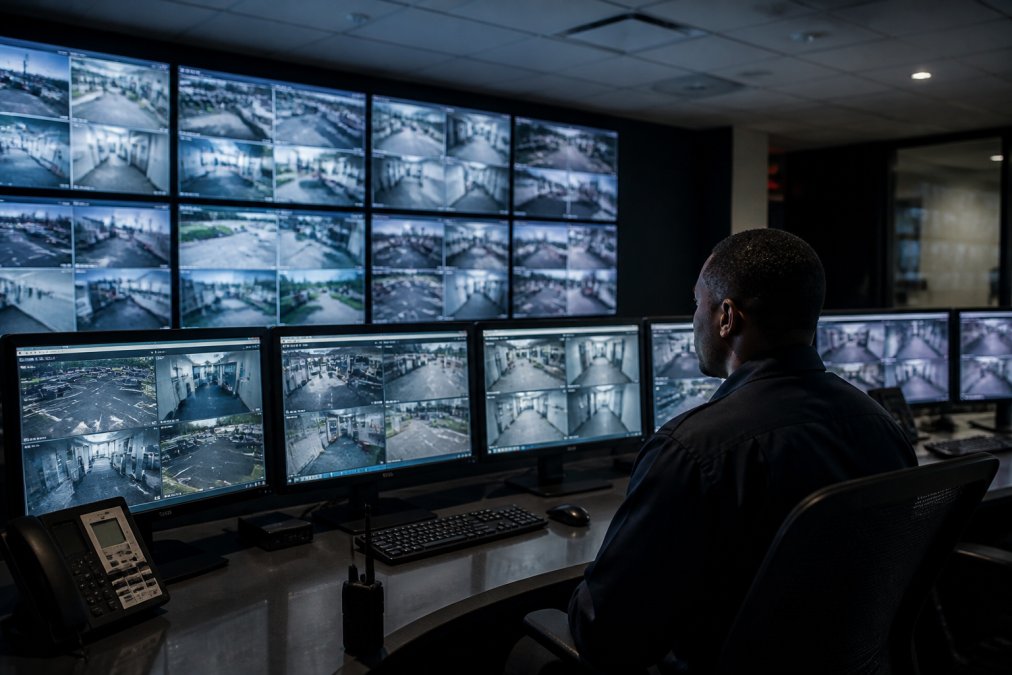
AI surveillance is a security approach in which software analyzes video and sensor data automatically, flagging events that match defined threat patterns. Traditional systems record everything and rely on a human to notice problems later. AI systems watch everything at once and escalate only what matters. The NIST guidance on video surveillance and biometric systems outlines how these systems should be evaluated for accuracy and reliability.
Key Benefits of AI Video Analytics
Video analytics deliver the operational payoff. The core advantages:
- Real-time threat detection that flags intrusions as they happen, not hours later
- False alarm reduction that filters out wind, animals, and headlights
- Automated monitoring across dozens of cameras without adding staff
- Data-driven insights on foot traffic, dwell time, and access patterns
- Predictive security that spots unusual behavior before it becomes an incident
A common mistake is buying analytics as a camera feature rather than a system capability. The software, network, and storage have to support it.
False Alarm Reduction in Security: How AI Cuts Noise and Restores Trust
False alarm reduction in security is where AI earns its keep fastest. Standard motion sensors trigger on anything that moves. AI models classify objects and behavior, so a deer crossing a driveway or a tree branch in wind no longer sends your team running.
AI Intrusion Detection Technology: Real-Time Threat Detection and Response
AI intrusion detection technology identifies unauthorized entry and suspicious activity by analyzing behavior, not just motion. It combines object detection, facial recognition where permitted, and anomaly detection to build a picture of what is normal for your property, then flags what is not.
How Behavioral Analysis and Anomaly Detection Work
Behavioral analysis establishes a baseline of typical activity, such as staff arriving at set times or vehicles using a known route. Anomaly detection compares live activity against that baseline. A person loitering near a loading dock at 2 a.m. triggers a different response than a delivery van at 9 a.m.
- Object detection, a model identifies and classifies objects in the frame (person, vehicle, animal, package) and draws a bounding box.
- Tracking, the system follows each object across frames, assigning a persistent ID so it can measure direction, speed, and dwell time.
- Rule and behavior evaluation, the tracked object is tested against rules: crossing a virtual line, entering a restricted zone, lingering beyond a threshold, or moving against the normal flow.
- Classification and scoring, the event is scored for confidence, and low-confidence events can be suppressed or routed for human review.
Accuracy Limits and AI Bias Benchmarks
No model is perfect, and the honest framing is that accuracy is a range, not a number. Performance degrades with poor lighting, heavy rain or snow, motion blur, low camera resolution, and unusual camera angles. It also varies across demographics for person-related models, which is why independent testing on your own footage matters more than a vendor's benchmark slide.
A practical way to evaluate a system before committing:
- Run the analytics in shadow mode for two to four weeks alongside your existing process.
- Log every alert and label it true or false.
- Measure precision (what share of alerts were real) and recall (what share of real events were caught).
- Review false negatives specifically, the events the system missed are the ones that matter most for security.
- Re-test after any major scene change, such as new construction or seasonal foliage.
| Threat Type | Traditional System | AI-Enabled System |
|---|---|---|
| Perimeter breach | Motion sensor alert | Object classification plus direction tracking |
| Loitering | Not detected | Behavioral analysis flags dwell time |
| After-hours entry | Access log review | Real-time alert with video clip |
| Vehicle approach | Generic motion | Vehicle type and route recognition |
| Abandoned object | Not detected | Stationary object detection with timer |
From Alert to Response
Detection only creates value if it reaches a human who can act. A well-designed workflow defines, for each event type, who is notified, through what channel, and what the expected response is. High-priority events, a person crossing a perimeter line after hours, may trigger a live monitoring center call and a siren. Lower-priority events may queue for review the next morning.
Smart Access Control Systems: Integrating AI with Physical Security
Smart access control systems tie identity verification to your video and alarm infrastructure. Instead of managing badges, cameras, and alarms as separate islands, AI links them. A badge swipe at a door can trigger the nearest camera to record and tag the event, so incident response starts with the full picture already assembled.
Integration with Legacy Hardware and Total Cost of Ownership
Integration with legacy hardware is a common question, and the honest answer is that you rarely need to rip everything out. The retrofit path depends on what you already own, and the differences are concrete enough to plan around.
Retrofitting Existing Cameras with AI Edge Devices
A phased approach can be effective: analytics on the highest-value cameras first, measuring the alert quality, then expanding. That sequencing can also spread capital cost across budget cycles.
Total Cost of Ownership: The Line Items Buyers Miss
The purchase price is only part of the equation. A realistic TCO model includes:
- Hardware and installation, cameras, edge appliances, encoders, mounting, cabling, and labor.
- Software licensing, frequently priced per camera, per channel, or per analytics channel, and usually billed annually. This is the line item that surprises buyers most, because it recurs.
- Storage, on-premises NVR or server storage, cloud storage, or a hybrid. Retention policy drives this number more than camera count: moving from 30-day to 90-day retention can multiply storage needs.
- Bandwidth and network upgrades, edge processing cuts this dramatically because only events and metadata traverse the WAN, but you still need PoE switching, VLAN segmentation, and enough uplink for remote viewing.
- Maintenance and support, firmware updates, model retraining or tuning, camera cleaning, and warranty coverage. Analytics models drift as scenes change (new construction, seasonal foliage, relocated racks), so budget for periodic re-tuning.
- Integration and training, connecting to access control, alarm panels, or a video management system, plus training staff on the new alert workflow.
Cloud vs. On-Premises vs. Hybrid
Cloud-based processing offers scalability across distributed sites and shifts capital expense to operating expense, but it depends on reliable connectivity and can raise data residency questions. On-premises processing keeps footage local and works during outages, but you own the hardware refresh cycle. A hybrid model, local recording with cloud analytics or cloud backup, can preserve local redundancy while giving remote visibility.
Data Privacy Compliance and AI Bias Considerations
Data privacy compliance is not optional, and it is where many deployments stumble. Systems handling personal data must account for state privacy laws and, in healthcare settings, HIPAA requirements. A practical compliance checklist for a new deployment includes:
- Notice and signage, post clear notice that video and, where applicable, biometric analytics are in use.
- Purpose limitation, document what each analytics function is for and disable capabilities you are not using.
- Retention schedule, define how long footage and event metadata are kept, and automate deletion.
- Access controls, restrict who can view, export, and search footage, and log those actions.
- Vendor data handling, confirm whether footage or derived data leaves your network, where it is stored, and how it is deleted at contract end.
- Biometric policy, if facial recognition is deployed, a written policy covering consent, retention, and access is essential. Several states regulate biometric identifiers specifically, and the rules vary.
Frequently Asked Questions
Can AI surveillance systems reduce false security alarms?
Yes. AI surveillance systems use computer vision and deep learning algorithms to distinguish between genuine threats and harmless triggers like animals, weather, or moving shadows. Instead of alerting on any motion, the system analyzes object type, behavior, and context before sending an automated alert. This false alarm reduction in security operations means security teams respond to real incidents rather than wasting time on false positives, improving morale and operational efficiency.
How does AI-enabled access control enhance property security?
Smart access control systems combine biometric authentication, behavioral analysis, and real-time threat detection to verify identity before granting entry. Unlike traditional key cards that can be lost or cloned, AI-driven access control cross-references multiple data points. If an anomaly detection system flags unusual access patterns, it can automatically lock down sensitive areas and trigger incident response protocols. This integration with video analytics creates a unified security infrastructure.
Are AI surveillance systems effective for intrusion defense?
AI intrusion detection technology significantly improves perimeter defense by using thermal imaging integration, object detection, and predictive security models. The system can identify a person approaching a fence line at 2 a.m. versus a deer, then send automated alerts to security personnel. Edge computing processes data on-site for low latency, while cloud-based processing offers scalability across distributed campuses. These capabilities make AI surveillance far more effective than motion-triggered cameras alone.
What industries benefit most from AI surveillance technology?
Healthcare providers use AI surveillance for HIPAA-compliant monitoring and privacy-preserving technology like anonymization. DoD contractors and manufacturers rely on AI intrusion detection technology for high-security perimeter defense. Law firms and commercial high-rises deploy smart access control systems for unified building security. Homeowners with large estates benefit from automated monitoring that distinguishes wildlife from intruders. The common thread is a need for reliable, scalable security infrastructure that reduces false alarms and provides data-driven insights.